
90.00M+
Users from the WorldWide

































































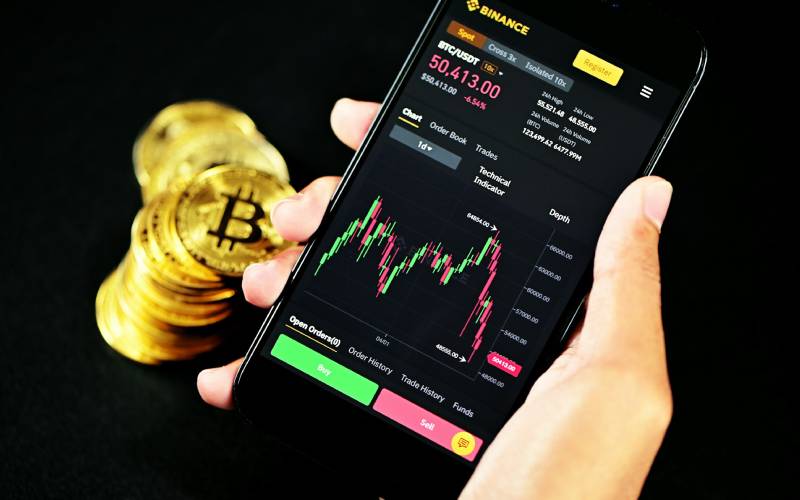
ewbb service &solution private limited Cryptocurrency trading involves speculating on price movements via a CFD trading account, or buying and selling the underlying coins via an exchange. Here you’ll find more information about cryptocurrency trading, how it works and what moves the markets.
Trading Pair
Happy Client
Investor



a portfolio management tool that categorizes products/units as Stars, Cash Cows, Question Marks, or Dogs, guiding decisions to build, hold, harvest, or divest them based on market share and growth, helping allocate resources effectively for growth and profitability
An investment strategy is a structured plan for allocating funds to achieve specific financial goals, considering your personal risk tolerance and time horizon. The most common strategies include Value, Growth, Income, and Index Investing, as well as Active vs. Passive approaches. Financial Goals: Define what you are saving for (e.g., retirement, a home, education) and the timeframe for each goal (short-, medium-, or long-term). Risk Tolerance: Be honest about your comfort with market fluctuations. Younger investors with a longer time horizon can typically afford to take on more risk for potentially higher returns, while older investors may prioritize capital preservation. Financial Situation: Assess your income, expenses, existing debt, and emergency fund (aim for 3-6 months' worth of expenses). Tax Implications: Integrate tax planning into your strategy by using tax-efficient accounts and instruments like Equity-Linked Savings Schemes (ELSS) or Public Provident Funds (PPF) to maximize after-tax returns
Regardless of the strategy chosen, success depends on several core principles: Define clear financial goals and risk tolerance. Implement strict risk management, such as setting stop-loss orders and limiting the capital risked per trade (e.g., 1-2% of total capital). Stay disciplined and avoid emotional decision-making driven by fear or greed. Conduct thorough research and continuous learning. Use a trading plan that outlines specific entry/exit points and rules, and stick to it.
EWBB COMPANY Investment strategies are structured plans for managing your money to achieve specific financial goals while balancing risk and return. The best strategy depends entirely on an individual's personal circumstances, including age, risk tolerance, time horizon, and financial objectives
Interest Rate: 2%
Interest Rate: 2.5%
Interest Rate: 3.5%
Interest Rate: 4%
Prospective investors can think that SIPs and mutual funds are the same. However, SIPs are merely a method of investing in mutual funds, the other method being a lump sum. A SIP calculator is a tool that helps you determine the returns you can avail when parking your funds in such investment tools. Systematic Investment Plan or SIP is a process of investing a fixed sum of money in mutual funds at regular intervals. SIPs usually allow you to invest weekly, quarterly, or monthly.
Unleashing Passive Income Potential: Harnessing the Power of Staking Investments
Key Scoring Parameters The evaluation is based on four critical parameters that delve into the fundamental aspects of cryptocurrencies: Liquidity: Assesses the ease of trading a cryptocurrency without causing significant price changes, utilising the Amihud Liquidity Measure. Valuation: Evaluates the perceived market worth of a cryptocurrency using the Network Value to Transaction (NVT) ratio. Security: Gauges the robustness and network security of mineable cryptocurrencies by analysing their hash rate. Adoption: Estimates a cryptocurrency’s popularity and user engagement through the number of active addresses.
| Name | Pair Price | Daily Change | Daily High | Daily Low | Total Volume | Market Cap | Total Supply | Action |
|---|---|---|---|---|---|---|---|---|
BitcoinBTC Coin |
₹67631
|
409.73% |
68309% |
65932% |
47293116287% |
1350958972774 |
19988193 |
|
EthereumETH Coin |
₹1979.04
|
24.26% |
1996.65% |
1911.96% |
20790885513% |
238677813125 |
120692542.28 |
|
XRPXRP Coin |
₹1.39
|
0.01% |
1.4% |
1.35% |
2646549213% |
84834327862 |
99985721048 |
|
BNBBNB Coin |
₹612.38
|
11.47% |
619.02% |
591.42% |
1157355729% |
83397823378 |
136359423.75 |
|
CardanoADA Coin |
₹0.704476
|
0.02% |
0.71% |
0.67% |
649930309% |
25400868325 |
45000000000 |
|
ChainlinkLINK Coin |
₹14.94
|
0.71% |
14.99% |
13.97% |
347577196% |
9816339105 |
1000000000 |
|
Bitcoin CashBCH Coin |
₹371.51
|
8.9% |
373.35% |
358.41% |
146331531% |
7379580599 |
19863656.15 |
|
LitecoinLTC Coin |
₹86.99
|
3.62% |
87.25% |
82.34% |
349252836% |
6593149457 |
75806695.73 |
|
PolkadotDOT Coin |
₹1.52
|
-0.02% |
1.56% |
1.44% |
226101356% |
2521276592 |
1661756159.42 |
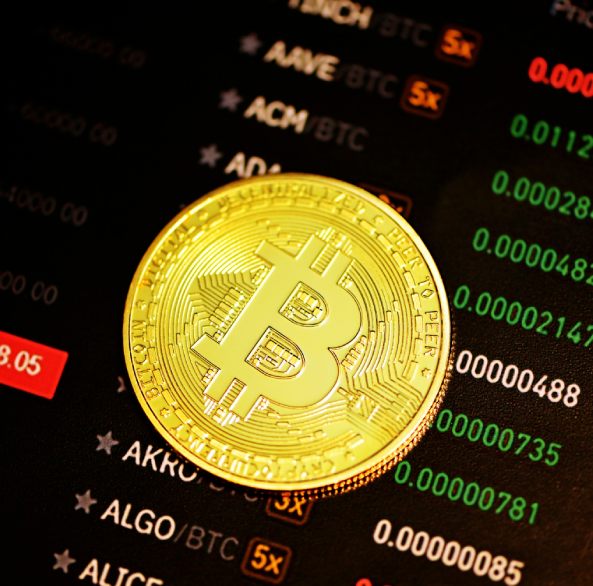
ewbb service &solution private limited An unparalleled approach to trading Like most companies, Matrix AI Trading started with a conversation. That conversation has evolved into a dynamic prop firm that helps traders unlock their full potential. Confidence and Trust: You can trade under the most trusted platforms in the industry. Charted Territory: Watch the market in real time with our trading integrations. Top-notch Liquidity Providers: Get lightning-fast order placements. Market-leading Fees: Great spreads and commissions from our brokers.
1 BTC = 67631 USDT
1 ETH = 1979.04 USDT
1 USDT = 0.999717 USDT
1 XRP = 1.39 USDT
1 BNB = 612.38 USDT
1 SOL = 81.26 USDT
1 USDC = 0.999971 USDT
1 DOGE = 0.093989 USDT
1 ADA = 0.704476 USDT
"Expertise in Crypto Excellence" generally refers to a deep, professional-level understanding of cryptocurrencies, blockchain technology, market dynamics, and associated legal/financial aspects. This expertise can be attained through specific certifications, academic programs, and practical experience in related job roles



Trade in an advanced simulated environment, follow the rules, and get rewards of up to 80%. We are a technology company looking for the best. Swap-Free, the lowest spreads, and no time limit for the challenge. Start your performance evaluation today at the best competitive prices.

Set up turbo shaft speed sensor in Holly EFI by inputting the number of blades into a Google Docs calculator.
"High-Low Option Trading" typically refers to the Open High Open Low (OHOL) strategy, an intraday trading technique that capitalizes on price movements immediately after the market opens. This strategy is primarily used in the stock market but can also be applied to options and futures trading.
We are an AI software company whose goal is to empower Arab traders through the “Matrix Challenge Program”. We provide an advanced trading simulation environment that accurately mirrors the global market. When you succeed, you earn a real opportunity to share rewards (profits) with us.

EWBB SERVICE AND SOLUTION PRIVATE LIMITED Cryptocurrency trading involves speculating on price movements via a CFD trading account, or buying and selling the underlying coins via an exchange. Here you’ll find more information about cryptocurrency trading, how it works and what moves the markets.
Cryptocurrency markets are decentralised, which means they are not issued or backed by a central authority such as a government. Instead, they run across a network of computers. However, cryptocurrencies can be bought and sold via exchanges and stored in ‘wallets’ . Unlike traditional currencies, cryptocurrencies exist only as a shared digital record of ownership, stored on a blockchain. When a user wants to send cryptocurrency units to another user, they send it to that user’s digital wallet. The transaction isn’t considered final until it has been verified and added to the blockchain through a process called mining. This is also how new cryptocurrency tokens are usually created.
What is cryptocurrency trading? Cryptocurrency trading is the act of speculating on cryptocurrency price movements via a CFD trading account, or buying and selling the underlying coins via an exchange. CFD trading on cryptocurrencies CFDs trading are derivatives, which enable you to speculate on cryptocurrency price movements without taking ownership of the underlying coins. You can go long (‘buy’) if you think a cryptocurrency will rise in value, or short (‘sell’) if you think it will fall. Both are leveraged products, meaning you only need to put up a small deposit – known as margin – to gain full exposure to the underlying market. Your profit or loss are still calculated according to the full size of your position, so leverage will magnify both profits and losses. Buying and selling cryptocurrencies via an exchange When you buy cryptocurrencies via an exchange, you purchase the coins themselves. You’ll need to create an exchange account, put up the full value of the asset to open a position, and store the cryptocurrency tokens in your own wallet until you’re ready to sell. Exchanges bring their own steep learning curve as you’ll need to get to grips with the technology involved and learn how to make sense of the data. Many exchanges also have limits on how much you can deposit, while accounts can be very expensive to maintain. How do cryptocurrency markets work? Cryptocurrency markets are decentralised, which means they are not issued or backed by a central authority such as a government. Instead, they run across a network of computers. However, cryptocurrencies can be bought and sold via exchanges and stored in ‘wallets’ . Unlike traditional currencies, cryptocurrencies exist only as a shared digital record of ownership, stored on a blockchain. When a user wants to send cryptocurrency units to another user, they send it to that user’s digital wallet. The transaction isn’t considered final until it has been verified and added to the blockchain through a process called mining. This is also how new cryptocurrency tokens are usually created. What is blockchain? A blockchain is a shared digital register of recorded data. For cryptocurrencies, this is the transaction history for every unit of the cryptocurrency, which shows how ownership has changed over time. Blockchain works by recording transactions in ‘blocks’, with new blocks added at the front of the chain. Blockchain technology has unique security features that normal computer files do not have. Network consensus A blockchain file is always stored on multiple computers across a network – rather than in a single location – and is usually readable by everyone within the network. This makes it both transparent and very difficult to alter, with no one weak point vulnerable to hacks, or human or software error. Cryptography Blocks are linked together by cryptography – complex mathematics and computer science. Any attempt to alter data disrupts the cryptographic links between blocks, and can quickly be identified as fraudulent by computers in the network. What is cryptocurrency mining? Cryptocurrency mining is the process by which recent cryptocurrency transactions are checked and new blocks are added to the blockchain. Checking transactions Mining computers select pending transactions from a pool and check to ensure that the sender has sufficient funds to complete the transaction. This involves checking the transaction details against the transaction history stored in the blockchain. A second check confirms that the sender authorised the transfer of funds using their private key. Creating a new block Mining computers compile valid transactions into a new block and attempt to generate the cryptographic link to the previous block by finding a solution to a complex algorithm. When a computer succeeds in generating the link, it adds the block to its version of the blockchain file and broadcasts the update across the network. Read more about blockchain technology What moves cryptocurrency markets? Cryptocurrency markets move according to supply and demand. However, as they are decentralised, they tend to remain free from many of the economic and political concerns that affect traditional currencies. While there is still a lot of uncertainty surrounding cryptocurrencies, the following factors can have a significant impact on their prices: Supply: the total number of coins and the rate at which they are released, destroyed or lost Market capitalisation: the value of all the coins in existence and how users perceive this to be developing Press: the way the cryptocurrency is portrayed in the media and how much coverage it is getting Integration: the extent to which the cryptocurrency easily integrates into existing infrastructure such as e-commerce payment systems Key events: major events such as regulatory updates, security breaches and economic setbacks How does cryptocurrency trading work? With IG, you can trade cryptocurrencies via a CFD account – derivative products that enable you speculate on whether your chosen cryptocurrency will rise or fall in value. Prices are quoted in traditional currencies such as the US dollar, and you never take ownership of the cryptocurrency itself. CFDs are leveraged products, which means you can open a position for a just a fraction of the full value of the trade. Although leveraged products can magnify your profits, they can also magnify losses if the market moves against you. What is the spread in cryptocurrency trading? The spread is the difference between the buy and sell prices quoted for a cryptocurrency. Like many financial markets, when you open a position on a cryptocurrency market, you’ll be presented with two prices. If you want to open a long position, you trade at the buy price, which is slightly above the market price. If you want to open a short position, you trade at the sell price – slightly below the market price
Leverage is the means of gaining exposure to large amounts of cryptocurrency without having to pay the full value of your trade upfront. Instead, you put down a small deposit, known as margin. When you close a leveraged position, your profit or loss is based on the full size of the trade.
What is cryptocurrency trading? Cryptocurrency trading is the act of speculating on cryptocurrency price movements via a CFD trading account, or buying and selling the underlying coins via an exchange. CFD trading on cryptocurrencies CFDs trading are derivatives, which enable you to speculate on cryptocurrency price movements without taking ownership of the underlying coins. You can go long (‘buy’) if you think a cryptocurrency will rise in value, or short (‘sell’) if you think it will fall. Both are leveraged products, meaning you only need to put up a small deposit – known as margin – to gain full exposure to the underlying market. Your profit or loss are still calculated according to the full size of your position, so leverage will magnify both profits and losses. Buying and selling cryptocurrencies via an exchange When you buy cryptocurrencies via an exchange, you purchase the coins themselves. You’ll need to create an exchange account, put up the full value of the asset to open a position, and store the cryptocurrency tokens in your own wallet until you’re ready to sell. Exchanges bring their own steep learning curve as you’ll need to get to grips with the technology involved and learn how to make sense of the data. Many exchanges also have limits on how much you can deposit, while accounts can be very expensive to maintain. How do cryptocurrency markets work? Cryptocurrency markets are decentralised, which means they are not issued or backed by a central authority such as a government. Instead, they run across a network of computers. However, cryptocurrencies can be bought and sold via exchanges and stored in ‘wallets’ . Unlike traditional currencies, cryptocurrencies exist only as a shared digital record of ownership, stored on a blockchain. When a user wants to send cryptocurrency units to another user, they send it to that user’s digital wallet. The transaction isn’t considered final until it has been verified and added to the blockchain through a process called mining. This is also how new cryptocurrency tokens are usually created. What is blockchain? A blockchain is a shared digital register of recorded data. For cryptocurrencies, this is the transaction history for every unit of the cryptocurrency, which shows how ownership has changed over time. Blockchain works by recording transactions in ‘blocks’, with new blocks added at the front of the chain. Blockchain technology has unique security features that normal computer files do not have. Network consensus A blockchain file is always stored on multiple computers across a network – rather than in a single location – and is usually readable by everyone within the network. This makes it both transparent and very difficult to alter, with no one weak point vulnerable to hacks, or human or software error. Cryptography Blocks are linked together by cryptography – complex mathematics and computer science. Any attempt to alter data disrupts the cryptographic links between blocks, and can quickly be identified as fraudulent by computers in the network. What is cryptocurrency mining? Cryptocurrency mining is the process by which recent cryptocurrency transactions are checked and new blocks are added to the blockchain. Checking transactions Mining computers select pending transactions from a pool and check to ensure that the sender has sufficient funds to complete the transaction. This involves checking the transaction details against the transaction history stored in the blockchain. A second check confirms that the sender authorised the transfer of funds using their private key. Creating a new block Mining computers compile valid transactions into a new block and attempt to generate the cryptographic link to the previous block by finding a solution to a complex algorithm. When a computer succeeds in generating the link, it adds the block to its version of the blockchain file and broadcasts the update across the network. Read more about blockchain technology What moves cryptocurrency markets? Cryptocurrency markets move according to supply and demand. However, as they are decentralised, they tend to remain free from many of the economic and political concerns that affect traditional currencies. While there is still a lot of uncertainty surrounding cryptocurrencies, the following factors can have a significant impact on their prices: Supply: the total number of coins and the rate at which they are released, destroyed or lost Market capitalisation: the value of all the coins in existence and how users perceive this to be developing Press: the way the cryptocurrency is portrayed in the media and how much coverage it is getting Integration: the extent to which the cryptocurrency easily integrates into existing infrastructure such as e-commerce payment systems Key events: major events such as regulatory updates, security breaches and economic setbacks How does cryptocurrency trading work? With IG, you can trade cryptocurrencies via a CFD account – derivative products that enable you speculate on whether your chosen cryptocurrency will rise or fall in value. Prices are quoted in traditional currencies such as the US dollar, and you never take ownership of the cryptocurrency itself. CFDs are leveraged products, which means you can open a position for a just a fraction of the full value of the trade. Although leveraged products can magnify your profits, they can also magnify losses if the market moves against you. What is the spread in cryptocurrency trading? The spread is the difference between the buy and sell prices quoted for a cryptocurrency. Like many financial markets, when you open a position on a cryptocurrency market, you’ll be presented with two prices. If you want to open a long position, you trade at the buy price, which is slightly above the market price. If you want to open a short position, you trade at the sell price – slightly below the market price. What is a lot in cryptocurrency trading? Cryptocurrencies are often traded in lots – batches of cryptocurrency tokens used to standardise the size of trades. As cryptocurrencies are very volatile, lots tend to be very small: most are just one unit of the base cryptocurrency. However, some cryptocurrencies are traded in bigger lots. What is leverage in cryptocurrency trading? Leverage is the means of gaining exposure to large amounts of cryptocurrency without having to pay the full value of your trade upfront. Instead, you put down a small deposit, known as margin. When you close a leveraged position, your profit or loss is based on the full size of the trade. Learn more about how leverage works While leverage will magnify your profits, it also brings the risk of amplified losses – including losses that can exceed your margin on an individual trade. Leveraged trading therefore makes it extremely important to learn how to manage your risk. Learn how to manage your risk What is margin in cryptocurrency trading? Margin is a key part of leveraged trading. It is the term used to describe the initial deposit you put up to open and maintain a leveraged position. When you are trading cryptocurrencies on margin, remember that your margin requirement will change depending on your broker, and how large your trade size is. Margin is usually expressed as a percentage of the full position. A trade on bitcoin (BTC), for instance, might require 10% of the total value of the position to be paid for it to be opened. So instead of depositing $5000, you’d only need to deposit $500.
The Matrix Plan (or Forced Matrix Plan) is a multi-level marketing (MLM) compensation structure that organizes participants into a fixed, grid-like network with a limited width (number of direct recruits) and a specific depth (number of levels from which commissions are earned)





Helps businesses like yours work better with collaborative tools, showing heroes in a new era of work
2785 Reviews
Real-time analytics means processing and measuring data as it arrives in the database. This lets users gain insights and make decisions quickly, helping businesses respond without delays.
Learn MoreSecurity at its finest. Our platform employs advanced encryption and security protocols to ensure your investments are protected at all times. Trade and invest with peace of mind, knowing your assets are in safe hands.
Navigate the complex world of crypto with ease. FinFunder’s intuitive interface simplifies trading and investing, making it accessible for both beginners and experienced traders.
Expand your investment horizons with our diverse portfolio options. From mainstream cryptocurrencies to emerging tokens, tailor your investment strategy to suit your financial goals.
Join our vibrant community of crypto enthusiasts. Access a wealth of shared knowledge, participate in discussions, and receive dedicated support from our expert team.
Understanding the 1 Finance Score The 1 Finance Score is designed to streamline your crypto research by assigning each cryptocurrency a score derived from an evaluation of key fundamental parameters. This scoring system aids in making informed decisions grounded in thorough, impartial analysis, with a primary focus on identifying the risks involved. The scores are colour-coded for easy interpretation: Green: Cryptos exhibiting more stable fundamentals. Yellow: Cryptos with decent fundamentals but with certain elements warranting attention. Red: Cryptos that might be grappling with potential challenges or concerns.